
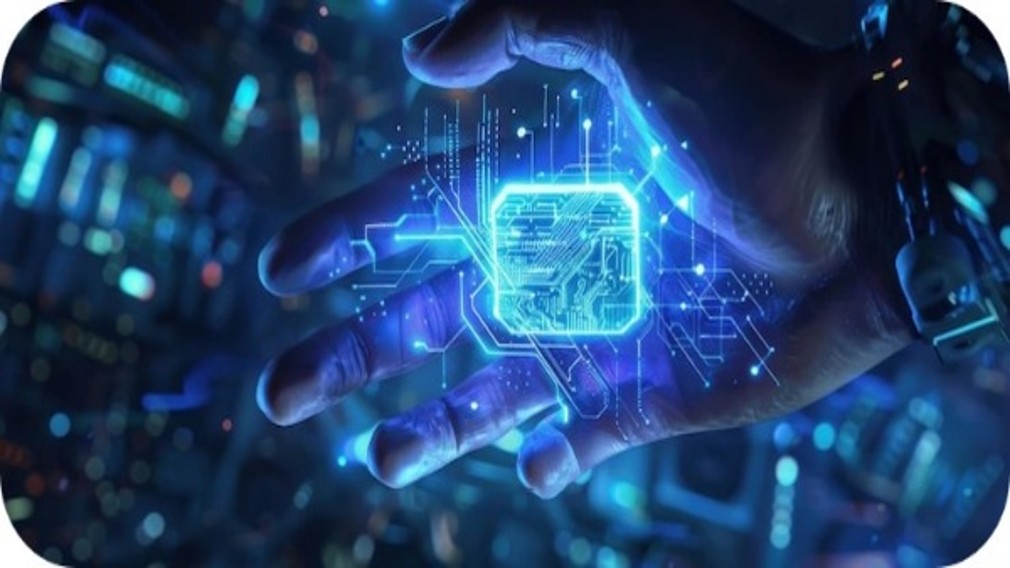
This Digital Forensics course provides a comprehensive, hands-on introduction to the field of computer and cyber investigations. Covering everything from evidence acquisition to advanced analysis, it equips learners with the technical skills and ethical understanding needed to investigate digital crimes across computers, mobile devices, networks, and cloud environments.
The primary objective is to:
• Build foundational knowledge of digital forensics concepts, tools, and processes.
• Develop practical skills in evidence acquisition, analysis, and reporting.
• Understand legal and ethical considerations in forensic investigations.
• Prepare learners for real-world scenarios involving cybercrime, incident response, and anti-forensics techniques.
Comprehensive coverage: From operating systems and file systems to mobile and cloud forensics.
Hands-on training: Practical labs using industry-standard tools like Autopsy, FTK Imager, Wireshark, and Volatility.
Career relevance: Skills directly applicable to cybersecurity, law enforcement, and corporate investigations.
Structured learning path: Step-by-step modules aligned with professional forensic practices.
Practical expertise: Learn to acquire, preserve, and analyze digital evidence.
Tool mastery: Gain proficiency in Autopsy, FTK Imager, Sleuth Kit, Wireshark, Volatility, and Cellebrite.
Career advancement: Strengthen your profile for cybersecurity, forensic analysis, and incident response roles.
Critical thinking: Develop analytical skills to detect anomalies, reconstruct events, and counter anti-forensics.
Professional documentation: Learn to prepare structured forensic reports and maintain chain-of-custody records.
1. Introduction to Digital Forensics
2. Operating System & Digital Evidence Acquisition
3. File System and Data Recovery
4. Memory and RAM Forensics
5. Network Forensics
6. Mobile Device Forensics
7. Cloud Forensics
8. Log and Event Analysis
9. Reporting and Documentation
10. Anti-Forensics and Counter-Forensics
If you purchased a course directly through the platform as a retail user, a receipt for your order will be sent directly to the e-mail address you registered with.
If you received a token to enroll into a course through your organization/college, please contact your college for receipt details. No individual receipts are provided for such purchases
You will receive a token number (via e-mail for direct purchase on the platform or through your college/institutions IEEE-BLP program coordinator). Enter the token number on your dashboard on the IEEE BLP platform (after signing in at blended-learning.ieee.org ). You will be successfully enrolled to the course once the platform accepts the token as valid. Click on the Play button for the course on the dashboard to launch the e-Learning program or to perform other activities associated with the course. If you have trouble enrolling for courses, please send an e-mail to support-blp@ieee.org.
Please contact our sales team at support-blp@ieee.org.
E-Learning access: Three months from the time you enter a valid token number on the platform or until you complete the course session, whichever comes later. The entire program (e-Learning course, Labs (if applicable), end-of-course assessment, and exam) must be completed within 6 months of purchase.
Please send us an e-mail at support-blp@ieee.org. You may be granted extension upon the sole discretion of the IEEE BLP Program administrator under exceptional circumstances.
Please refer to the course refund policy. You can write us at support-blp@ieee.org
Navigation Guides:If you have purchased a course from us, you would have received a ‘Getting started version of the Learner Navigation Guide’ from our support team. If you did not, please contact us at support-blp@ieee.org and we will be happy to share one. Help Lecture:If you are having trouble navigating the e-Learning, please click on the ‘Help Lecture’ (represented by a question mark symbol) present on every e-Learning slide.
Please double check to make sure that you have entered the correct token number. If you received the token number from your college/university administrator, please contact them to ensure that the same token number has not been shared with someone else previously. If you purchased the course directly on the platform, please send an e-mail request to support-blp@ieee.org for further help.
After purchasing the course you must activate it before using it. Your learner dashboard shows all the courses you are enrolled for. If you have enrolled for more than two courses, sign-in with your credentials and click on the arrow symbol to browse through all your courses.
The e-Learning part of the IEEE Blended Learning Program is specifically designed to be an interactive online course accessed through a web-browser interface. You would need access to a computer with appropriate configuration, an Internet connection, and appropriately configured audio. System requirements are provided in the program details page.
If you were in the middle of the assessment section, you will be asked to begin assessment again. Only the first, fully completed assessment results will be stored in the system for future retrieval.
When you resume e-Learning, you will have an option to begin from where you last left off. However, you will have to sign-in and re-launch the specific e-Learning course.
Please make sure that the audio on your computer is configured properly, has Internet connectivity, and other system requirements are met. If you are still facing an issue after checking your computers audio configuration, please send e-mail to support-blp@ieee.org.
You can control the audio playback in several ways. First, you can pause and resume the audio playback using audio controls available on the screen. You can also play audio from specific places within the page. Each page also includes a transcript of the audio to allow you to follow the audio more easily.
Please send e-mail describing, in detail, the issues you are facing along with your system details to support-blp@ieee.org. Please include the following information: Your system configuration (OS with version, RAM etc.) Browser and its version Nature of the issues including any screenshots
The Course Feedback link will be enabled only after 100% of both e-Learning and the lab sessions are completed. Please feel free to send specific feedback to feedback-blp@ieee.org
It is mandatory to complete the program 100% to get the certificate. (Not applicable for IEEE CertifAIEd, AI Ethics for System Design, and Responsible Procurement of AI.




Get the latest news and updates right at your inbox.
Copyright © 2025 IEEE. All Rights Reserved
© Copyright 2025 IEEE – All rights reserved. A not-for-profit organization, IEEE is the world’s largest technical professional organization dedicated to advancing technology for the benefit of humanity.